In this article:
Comparing HVAC Pros in Greenville
Finding reliable hvac services in Greenville starts with knowing who to call and what to ask. This page lines up local licensed professionals so you can review several written quotes side by side. You can look into repair, maintenance and replacement without the usual pressure to commit. Summers here can be stormy, so cooling equipment can need a little extra attention. A quick comparison of providers helps you get a feel for scope, equipment and cost. When you're ready, a free quote comparison is an easy first step.
Why Lightning Is Hard on Air Conditioners
A nearby lightning strike can send a spike through your wiring in a split second. That surge often fries the control board, the thermostat or the compressor without any obvious sign on the outside. Plenty of homeowners only notice when the AC blows warm air or keeps tripping the breaker. Guessing at the cause can lead to repeat service calls and a drawn-out summer. A licensed hvac specialist can check the electrical components and pinpoint what the surge actually damaged. From there, they can lay out your repair options and recommend ways to protect the system going forward.
From Diagnosis to a Working AC
Repair Plus Protection Explained
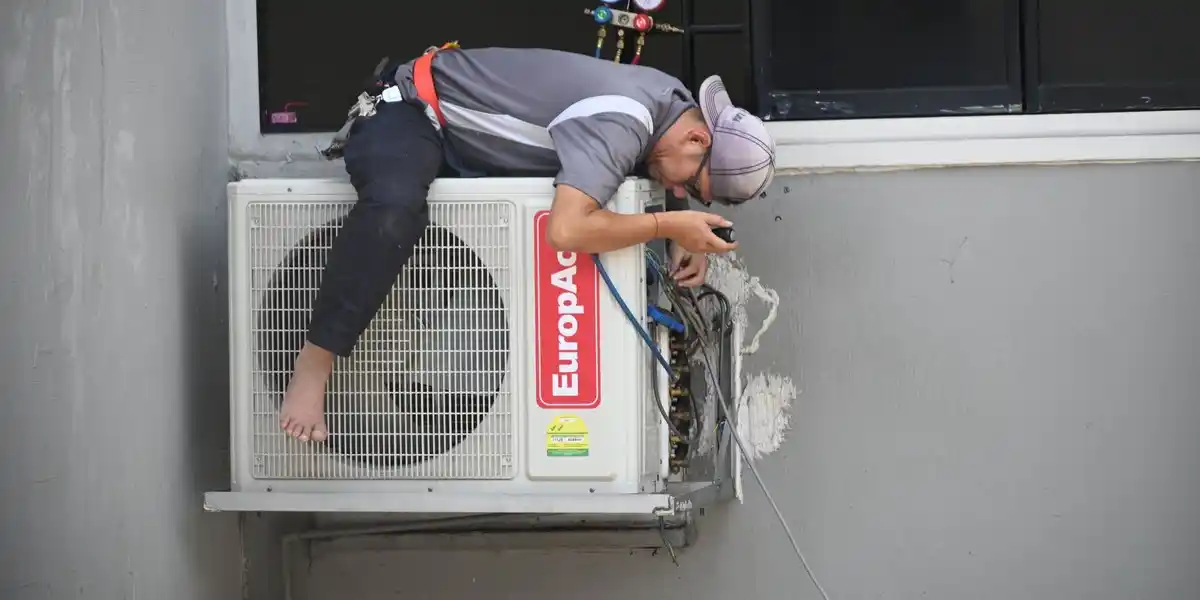
The visit usually starts with a look at the thermostat, the breaker and the outdoor unit. The technician then tests the capacitor, control board and compressor to see which parts took the hit. If refrigerant is involved, the work needs a technician with EPA Section 608 certification. You should get a clear quote that lists the parts, labor and any warranty terms. Many pros also offer a whole-home or equipment-level surge protector to reduce the risk of a repeat. Once the repair is done, they cycle the system and confirm it cools as it should.
HVAC cost estimator
Typical HVAC service costs in Greenville (Estimate)
Note: these are average reference prices. Request a quote for an exact price.
| Typical HVAC service costs | Average Price per service visit or project |
|---|---|
| Seasonal tune-up Inspection, cleaning and safety check of one system | $ 79.10 - $ 247.19 |
| AC repair Diagnosis and common repairs such as capacitors, fan motors or refrigerant leaks | $ 148.32 - $ 692.14 |
| Furnace repair Diagnosis and common repairs such as igniters, sensors or blower motors | $ 148.32 - $ 642.70 |
| Duct cleaning Whole-home air duct cleaning | $ 296.63 - $ 791.01 |
| Central AC installation Replacement system including labor | $ 4943.84 - $ 12359.61 |
| Furnace replacement New furnace including labor | $ 3460.69 - $ 9393.30 |
HVAC Services You Can Request in Greenville
Fixing Storm Damaged Air Conditioners
Surge damage repair is the core service here, and it covers far more than a simple part swap. The technician traces the system to find every component the spike affected. Common culprits include the capacitor, fan motor, control board and thermostat. Some of these are inexpensive fixes, while a failed compressor can change the whole picture. A good pro will explain whether repairing or replacing makes more sense for your unit. That comparison matters most on older equipment where parts and refrigerant type can limit choices. Ask each contractor for itemized findings so you can compare the same scope. Confirm that the person handling refrigerant holds the right credentials before work begins. Getting two or three quotes helps to spot a scope that looks incomplete.
Protecting Cooling Equipment From Spikes
Surge protection is a natural add-on once a repair is finished. An electrician or hvac contractor can fit a protective device at the panel or near the outdoor unit. Some homeowners choose a layered setup so the whole house and the AC each have a barrier. No device can stop every direct strike, but it can soften the impact of routine spikes. Pros can review your grounding and panel while they are on site, since poor grounding weakens any protector. Ask what model they suggest and how it is compatible with your equipment. Also ask about the labor warranty and whether the manufacturer of the device offers its own terms. Permit rules for electrical or equipment work vary by state and city, so check with your local building department. Comparing a few quotes shows how each pro handles protection.
Maintenance Plans for Storm Prone Homes
Regular maintenance is the steady part of keeping cooling equipment reliable. An annual inspection lets a technician to catch weak capacitors, loose wiring and worn contactors. Those small parts are often the first to fail after repeated electrical stress. Changing filters and maintaining clear space around the outdoor unit supports efficient operation. Scheduling a checkup before peak storm season leaves you time to compare providers without a rush. Some contractors offer maintenance plans, so ask what each visit includes in writing. After a storm, a quick inspection can show whether hidden damage is developing. Keeping records of past repairs also helps the next technician to work efficiently. Compare plans on scope, not only on the sticker price.
Cost and Financing Options for HVAC Work
Costs vary widely depending on which parts the surge damaged. A repair like a capacitor or fan motor is typically far less than a new compressor or a full replacement. Central AC replacement is a major expense, so many homeowners ask about financing. A specialist can explain financing options that may be available through the contractor or a lender. If a storm caused the damage, it is worth asking your insurance provider about what your policy covers. Get every quote in writing so you can weigh equipment, labor and warranty terms.
What Local Weather Means for Your AC in Greenville
Greenville has a very high lightning risk, so surges are a genuine concern for control boards and compressors. With 1,506 cooling degree days a year, air conditioners here run hard, which leaves less margin when a spike weakens a part. Summer highs around 88.9°F push electrical components harder during the very storms that bring surges. With about 108 sunny days a year, demand on cooling stays high well beyond the storm season. In South Carolina, . Homes with a median age of 39 years may also carry older wiring or panels that benefit from a grounding check.
Local Facts for Greenville
How Comparing Hvac services Works in Greenville
Tell us what you need
Describe your heating or cooling issue, or the system you want installed.
Compare local pros
Review contractors that serve your area and see how they stack up.
Choose with confidence
Ask for written quotes, check licenses and pick the pro that fits your home.
Get Started With Local HVAC Pros
Whatever is going on with your heating or cooling, comparing a few quotes is a smart place to start. It only takes a couple of minutes to tell what you need. Independent, licensed professionals in Greenville can then send written quotes for you to review. You stay in control and decide who, if anyone, to hire. There is no obligation, and comparing offers helps to see a fair price range. Ask for your free quotes today and see what is available near you.
Call (877) 307-1322