In this article:
Finding the Right HVAC Pro in Houston
Whether your system is brand new or has been running for years, Houston homeowners have plenty of good reasons to look into professional HVAC help. This page lets you compare no-cost quotes from nearby independent professionals in one place. Every home is different, and coastal weather adds a few extra things worth thinking about. Salt air, frequent storms and humid summers can wear on outdoor equipment faster than many people expect. Getting several written quotes lets you see how scope, equipment and pricing stack up side by side. When you're ready, start a quote below and see what local pros suggest.
Corrosion, Wind and Water Around Your Outdoor Unit
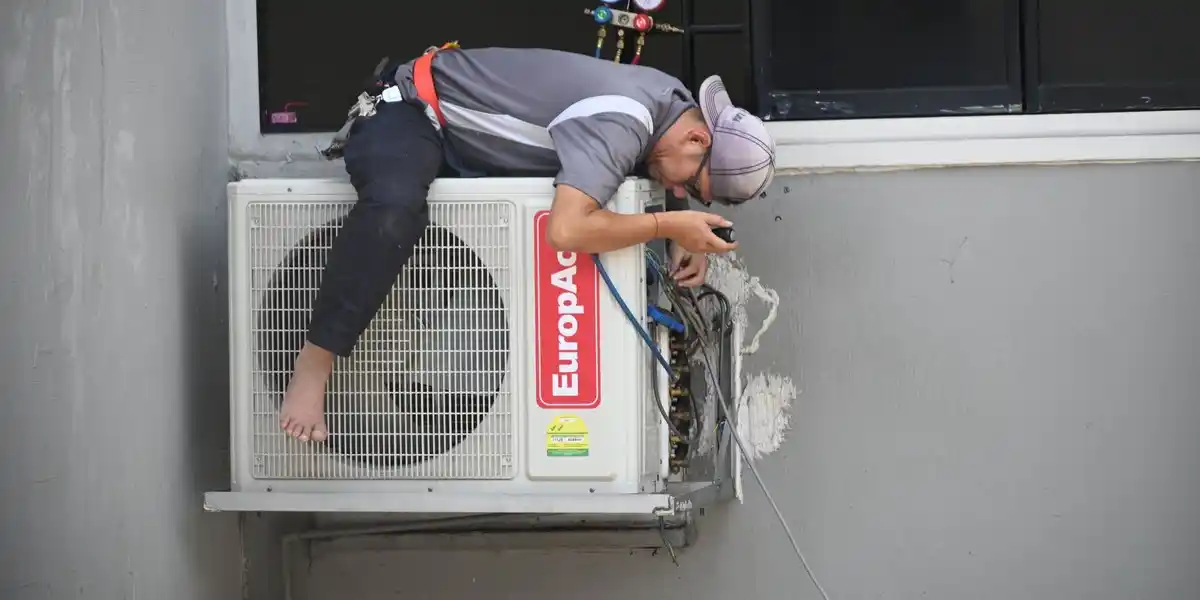
Salt in the air settles on outdoor coils and slowly eats away at the metal. The result is often reduced cooling, longer run times and climbing utility bills. Many homeowners miss the damage until the system struggles on a hot afternoon. Storms add wind-driven debris that can dent fins, crack fan housings and knock a condenser off its pad. Flooding around an outdoor unit can also soak electrical parts and leave standing water where it shouldn't be. A qualified HVAC specialist can inspect the damage, explain your repair options and restore reliable cooling.
A Clear Path From Problem to Fix
How the Work Usually Unfolds
It starts with a thorough look at the outdoor unit, including coils, fan motor, housing and electrical connections. The specialist looks for corrosion, bent fins, loose panels and signs of water intrusion. You then get a plain-language explanation of what's worn, what can be repaired and what should be replaced. Repairs can include a new capacitor or fan motor to coil cleaning, and some units may need a stronger pad or mounting. Anyone who handles refrigerant must hold EPA Section 608 certification, so it's fair to ask about that up front. Once the work is done, a good pro will run the system and walk you through what was changed.
HVAC cost estimator
Typical HVAC service costs in Houston (Estimate)
Note: these are average reference prices. Request a quote for an exact price.
| Typical HVAC service costs | Average Price per service visit or project |
|---|---|
| Seasonal tune-up Inspection, cleaning and safety check of one system | $ 74.85 - $ 233.89 |
| AC repair Diagnosis and common repairs such as capacitors, fan motors or refrigerant leaks | $ 140.34 - $ 654.90 |
| Furnace repair Diagnosis and common repairs such as igniters, sensors or blower motors | $ 140.34 - $ 608.12 |
| Duct cleaning Whole-home air duct cleaning | $ 280.67 - $ 748.46 |
| Central AC installation Replacement system including labor | $ 4677.88 - $ 11694.69 |
| Furnace replacement New furnace including labor | $ 3274.51 - $ 8887.96 |
Popular HVAC Services Near the Coast
Air Conditioner Repair for Corroded Coils and Storm Damage
Salt exposure and wind-blown debris are behind many of the AC repairs coastal homeowners face. A specialist can pinpoint whether the problem is a worn capacitor, a damaged fan housing or a refrigerant leak. Typical repairs cover a broad range, and the price depends on the part and the labor involved. Bent condenser fins can often be combed back into shape, which helps airflow. Coil cleaning can remove salt buildup before it does permanent harm. If a coil is too far gone, replacement may be more sensible than repeated fixes. Ask each contractor to spell out the parts, labor and warranty terms in the quote. Handling refrigerant legally requires EPA Section 608 certification, so verify it before work begins. Comparing a few written estimates makes it easier to judge whether a repair is worth it on an older unit.
Protecting Your Condenser From Wind and Rising Water
Once the repair is done, many homeowners look into ways to protect the unit going forward. Options can include a raised pad, hurricane straps or brackets, and protective coil coatings. A specialist can advise which of these fit your yard, your unit and your local conditions. Raising a condenser above likely water levels helps keep electrical parts dry. Secure mounting also cuts the chance of the unit shifting in high wind. Some cities and neighborhoods have requirements about equipment placement or permits, so check with your local building department. Ask contractors whether the added work is covered by the equipment or labor warranty. A few competing quotes reveal how each pro would handle the job and what it would cost. Doing this before storm season usually beats scrambling after a warning is issued.
Regular Maintenance That Catches Salt Damage Early
Coastal systems tend to gain more from routine care than those farther from the water. A seasonal tune-up typically covers cleaning, an inspection and a safety check of one system. Changing filters and scheduling an annual inspection helps systems run efficiently and prevent breakdowns that could have been avoided. Near the coast, a technician can also look for early signs of corrosion so you can budget ahead. Rinsing and cleaning coils on a schedule slows salt buildup. Some contractors offer maintenance agreements, and it's worth comparing what each one actually includes. Ask how visits are scheduled and what's covered if a part fails. Keep a simple record of past inspections so you can spot patterns over the years. That history also helps the next pro to understand your system.
Cost and Financing Options Worth Knowing
HVAC costs vary widely, from a modest tune-up to a full system replacement. Repairs like capacitors, fan motors or refrigerant leaks usually cost far less than a new system. A full central AC replacement takes a larger budget, especially when labor is included. A specialist can explain financing options that may be available for larger projects. Terms differ from lender to lender, so read the details carefully before you sign. Comparing written quotes and asking for coverage terms in writing helps you weigh the real value of each offer.
HVAC Considerations for Houston, Texas
With very high hurricane wind risk in Houston, outdoor units need secure mounting and a proper strap-down. Hurricane wind risk is very high here, so raising the condenser above ground level deserves a conversation with your contractor. Around 3,416 cooling degree days a year means your AC runs hard through the season and works its coils steadily. Average humidity of 76.2 percent keeps moisture on metal surfaces, which adds to salt corrosion. In Texas, . Check with a qualified local contractor for how this applies to your home.
Local Facts for Houston
How Comparing Hvac services Works in Houston
Tell us what you need
Describe your heating or cooling issue, or the system you want installed.
Compare local pros
Review contractors that serve your area and see how they stack up.
Choose with confidence
Ask for written quotes, check licenses and pick the pro that fits your home.
Find an HVAC Pro Near You in Houston
No matter what your HVAC system needs, Houston homeowners can start with a few free quotes. It only takes a few minutes to tell us what's going on with your home. You'll be able to review independent local professionals side by side. Ask each one about licensing, warranty terms and what's included in the price. There's no pressure to hire anyone, so you can decide at your own pace. Request your free quotes now and find the right HVAC pro for your home in Houston.
Call (877) 307-1322