In this article:
Finding a Good HVAC Pro in Leander
Every home in Leander relies on a heating and cooling system that steadily does its job until the day it doesn't. This page brings together the main HVAC services so you know what to ask for. From a routine tune-up to a full system replacement, there's a qualified local contractor for each job. Regular maintenance, timely repairs and carefully weighed replacement decisions all help a system run efficiently. Getting several free quotes lets you compare scope, equipment and price side by side. When you're ready, take a minute to request quotes and see who fits your home best.
What Goes Wrong When Systems Get Ignored
A system that never seems to shut off usually means something isn't working the way it should. Small issues like a dirty filter or a worn capacitor often get ignored until they turn into breakdowns. Homeowners then face a tough choice between another repair and paying for a new system. Without a second opinion, it's hard to know whether a quote is fair. A qualified specialist can inspect the equipment, explain what's failing and lay out repair and replacement options clearly. Comparing written quotes from a few contractors keeps the decision grounded in facts.
What a Good HVAC Visit Looks Like
A Simple Look at the Process
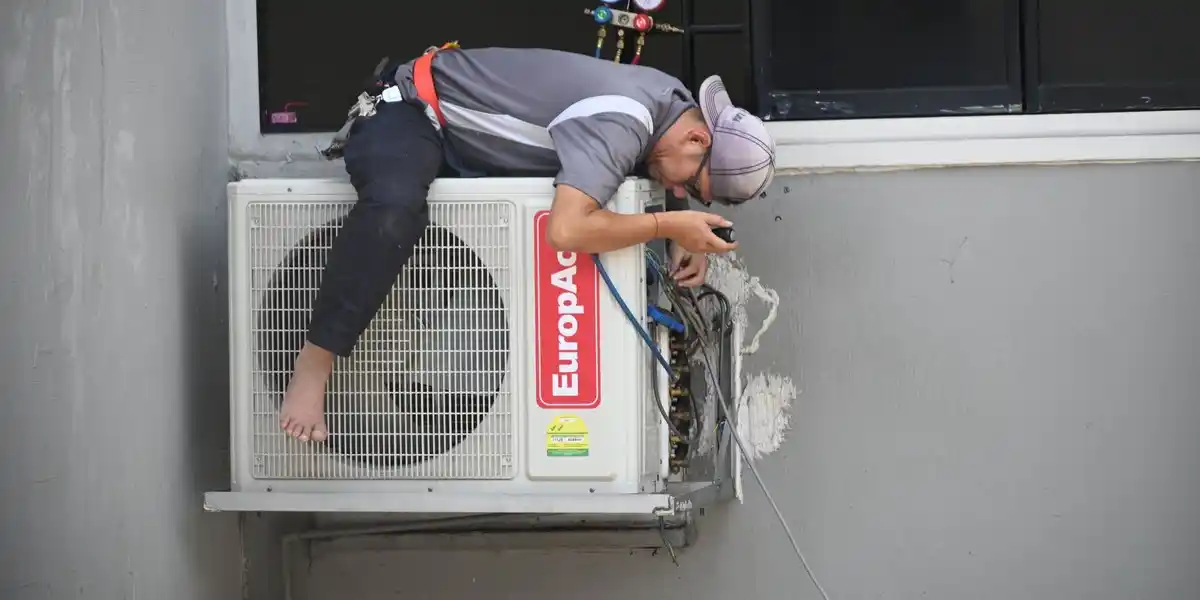
It starts with an assessment where the specialist checks airflow, controls, electrical parts and refrigerant levels. Technicians who handle refrigerant need EPA Section 608 certification, so ask to see it. You then get a written explanation of what's wrong and what each fix would involve. If the repair makes sense, the work is usually done with standard parts and tested before the technician leaves. If replacement is the better call, the contractor sizes the new equipment to your home and explains any permit that may apply. Ask for equipment and labor warranty terms on paper before you sign anything.
HVAC cost estimator
Typical HVAC service costs in Leander (Estimate)
Note: these are average reference prices. Request a quote for an exact price.
| Typical HVAC service costs | Average Price per service visit or project |
|---|---|
| Seasonal tune-up Inspection, cleaning and safety check of one system | $ 84.35 - $ 263.61 |
| AC repair Diagnosis and common repairs such as capacitors, fan motors or refrigerant leaks | $ 158.16 - $ 738.10 |
| Furnace repair Diagnosis and common repairs such as igniters, sensors or blower motors | $ 158.16 - $ 685.37 |
| Duct cleaning Whole-home air duct cleaning | $ 316.33 - $ 843.54 |
| Central AC installation Replacement system including labor | $ 5272.11 - $ 13180.28 |
| Furnace replacement New furnace including labor | $ 3690.48 - $ 10017.01 |
HVAC Services You Can Compare Locally
Tune-Ups and Repairs That Keep Systems Running
The most common HVAC service is a tune-up, which is a full check of one system. During the visit, a specialist inspects key components and runs a safety check on the equipment. Changing filters and scheduling an annual inspection helps systems run smoothly and can prevent avoidable breakdowns. When something does fail, repairs like a new capacitor, fan motor or igniter are often straightforward. The cost of a tune-up is typically a small fraction compared with a major repair or a new system. AC repair and furnace repair each cost more than a tune-up, with the final bill depending on the part and the labor involved. Refrigerant leaks and sensor problems need a proper diagnosis, so a vague guess isn't good enough. Ask the contractor to explain what failed and why in plain language before approving the work. Comparing two or three quotes for the same repair easily shows which pro is being thorough and which one is padding the job.
When It's Time for a New System
A full replacement is the logical next step when repairs start stacking up. The right choice depends on the age of your system, its repair history and how well it performs today. A good contractor measures your home before recommending equipment, rather than simply matching the old unit. Central AC installation and furnace replacement both involve substantial labor as well as equipment costs. Replacing these systems often requires a permit, but rules vary by state and municipality, so confirm with your local building department. Equipment usually carries a manufacturer warranty, and installers often add a separate labor warranty. Ask each contractor to put the equipment model, scope and warranty terms in a detailed quote. Lining up quotes side by side is the best way to see real differences in scope and price. Taking a little extra time at this stage prevents costly surprises after installation.
Keeping Your System Healthy Year After Year
Clean ductwork helps air move freely through the home and can improve how a system performs. A professional cleans supply and return runs and can point out leaks or damaged sections along the way. Many contractors also offer maintenance plans that schedule regular visits so nothing gets forgotten. Keeping a simple log of filter changes, tune-ups and repairs helps make future decisions much easier. That history shows when a system is holding up and when replacement planning should start. Budgeting for the eventual replacement is smart, since a new system is a large expense. A specialist can walk you through what a realistic schedule looks like for your equipment. Asking about maintenance plan terms upfront avoids surprises about what's actually covered. Comparing plans and quotes from more than one contractor helps keep ongoing care affordable and predictable.
How Homeowners Handle the Cost of HVAC Work
Repairs, tune-ups and replacements sit at very different price levels, so it helps to know where your job fits. Replacing a furnace or air conditioner is the costliest scenario, and many homeowners spread that cost over time. A specialist can walk you through the financing options a contractor offers, so you can weigh them calmly. Ask for written quotes so you can compare equipment, labor and warranty terms, not just the bottom line. Regular maintenance is a practical way to reduce the chance of an expensive surprise. Take your time comparing offers, since a clear quote is worth more than a rushed decision.
HVAC in Leander: Climate, Homes and Local Factors
Homes in Leander fall in ASHRAE climate zone 2, and that zone decides what equipment tends to make sense. With 1,509 heating degree days and 3,440 cooling degree days, a system here carries both seasons in its own balance. Summer highs around 98.9°F push air conditioners hard, while winter lows near 39°F test furnaces and heat pumps. Average humidity of 68.2% also matters, because it affects comfort, moisture control and how long the cooling cycle runs. In Texas, The median home age of 14 years suggests plenty of houses may be due for a system inspection or ductwork check.
Local Facts for Leander
How Comparing Hvac services Works in Leander
Tell us what you need
Describe your heating or cooling issue, or the system you want installed.
Compare local pros
Review contractors that serve your area and see how they stack up.
Choose with confidence
Ask for written quotes, check licenses and pick the pro that fits your home.
Find the Right HVAC Pro for Your Home
Whether your system is acting up or you simply want a checkup, comparing quotes is a sensible first step. Every homeowner in Leander can request free quotes and see what local pros offer. The contractors listed are independent professionals, so you can compare their scope and pricing directly. Before you hire, verify the contractor's license with your state board and ask about warranty terms in writing. It only takes a few minutes to fill out a request and see your options. Start now and choose the pro who fits your home and your budget.
Call (877) 307-1322