In this article:
- Finding the Right Hvac Help in Loveland, CO
- What Goes Wrong When Smoke and Ash Hit Your System
- From Inspection to Fix: What the Process Looks Like
- Three Services Worth Comparing Quotes For
- Understanding Costs and Financing Options
- What Local Conditions Mean for Your System in Loveland
- Frequently Asked Questions
Finding the Right Hvac Help in Loveland, CO
Finding reliable hvac services in Loveland is a lot easier when you can compare a few local pros side by side. Whether your system needs a routine tune-up, a repair or a full replacement, the process starts the same way. You describe the job, and independent licensed contractors send back written quotes. Those quotes let you weigh scope, equipment and labor without any pressure to commit. Homes in areas with hazy summers also tend to need a bit more attention to filters and airflow, so it's worth mentioning if that sounds familiar. Start a free comparison whenever you're ready, and see what local pros have to say.
What Goes Wrong When Smoke and Ash Hit Your System
When smoke drifts through Loveland, your system pulls that fine particulate straight into the filter. A clogged filter chokes airflow, and the blower has to work harder to move the same amount of air. You might notice weaker airflow, a musty or smoky smell, or rooms that never quite reach the temperature you set. Left alone, that extra load can wear on the motor and make the coils dirty faster than usual. Guessing at the cause usually burns through time, because several different issues can look exactly alike. A certified specialist can inspect the filter, blower and ductwork, explain what they find and lay out the repair options in writing.
From Inspection to Fix: What the Process Looks Like
A Clear Path From Diagnosis to Repair
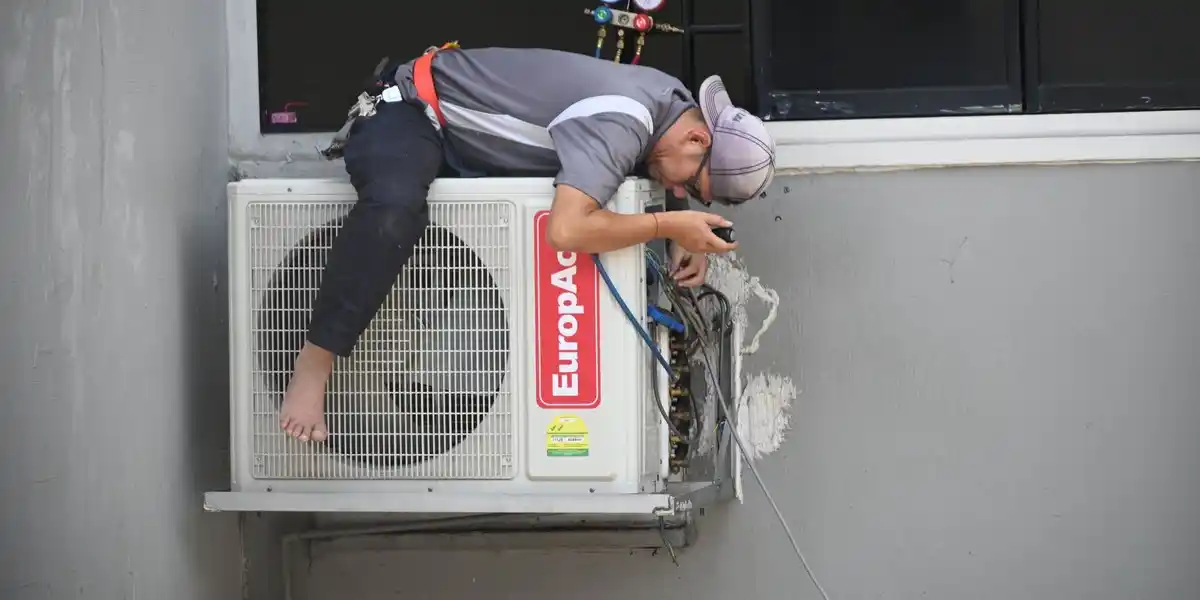
The visit usually starts with a close look at the filter, blower wheel, evaporator coil and return ducts. Your specialist can show you where ash or soot has built up and how much it's affecting airflow. From there, they'll recommend what actually needs doing, whether that's a filter swap, a coil or blower cleaning, or a repair. Any work on refrigerant has to be handled by a technician with EPA Section 608 certification. Before the job wraps up, the pro should test airflow and system operation and walk you through what changed. Ask for the scope, equipment details and warranty terms in writing, since equipment makers and installers often cover different things.
HVAC cost estimator
Typical HVAC service costs in Loveland (Estimate)
Note: these are average reference prices. Request a quote for an exact price.
| Typical HVAC service costs | Average Price per service visit or project |
|---|---|
| Seasonal tune-up Inspection, cleaning and safety check of one system | $ 88.07 - $ 275.23 |
| AC repair Diagnosis and common repairs such as capacitors, fan motors or refrigerant leaks | $ 165.14 - $ 770.65 |
| Furnace repair Diagnosis and common repairs such as igniters, sensors or blower motors | $ 165.14 - $ 715.61 |
| Duct cleaning Whole-home air duct cleaning | $ 330.28 - $ 880.75 |
| Central AC installation Replacement system including labor | $ 5504.67 - $ 13761.67 |
| Furnace replacement New furnace including labor | $ 3853.27 - $ 10458.87 |
Three Services Worth Comparing Quotes For
Filter, Coil and Blower Maintenance Visits
When smoke hangs over Loveland, a seasonal tune-up is the most practical way to keep a system from struggling. The technician services and inspects the key components and runs a safety check on the whole unit. Most visits cover one system, and pricing depends on the equipment and how dirty it has become. Homes in Larimer see heavier smoke and ash than many other areas, so buildup shows up sooner on filters and blowers. The blower wheel and evaporator coil are frequent trouble spots, because fine ash sticks to them and builds up slowly. Once that layer gets thick, airflow drops and the unit can run harder than it should. A pro can usually clean these parts in place and tell you whether anything looks damaged. It also helps to have the ducts checked for loose joints, since ash and smoke can creep in through small gaps. Catching those leaks early keeps dirty air from being pulled back into your living space. Many homeowners also ask how often a filter should be changed after a smoky stretch. The honest answer is that it depends on the filter type and how heavy the smoke was, so ask the pro for a schedule that fits your home. Some households also add a higher-grade filter or an air cleaner to cope with fine smoke particles. Comparing a few written quotes helps you see which visits include coil and blower cleaning and which only cover the bare minimum. Ask each company to spell out what is included, so the prices are easy to compare side by side. That small step can save you from paying twice for work a single visit should have covered.
Cleaner Air Options for Smoky Seasons
After a heavy smoke season, a duct cleaning visit is often a practical next step if you see dust at the vents. Fine ash can collect inside the supply and return runs, where it slowly feeds back into the air you breathe. A musty smell when the system starts up is a common sign that debris has built up inside the ducts. A whole-home cleaning removes debris from the supply and return runs, and the price range is usually well below a system replacement. A good contractor will check the ducts first and tell you plainly whether cleaning is worth it. In relatively high wildfire areas of Colorado, many homeowners book this check once a year. Air quality upgrades are the other half of the picture. Options range from a better filter to a media cabinet or a whole-home air purifier. Your pro can explain what your blower can handle, since a very high-resistance filter on an older unit may restrict airflow. Sealing leaky ducts can also matter, because leaks pull in unfiltered air from attics and crawl spaces. Ask each contractor what they'd recommend for your layout and why. Written quotes make it easy to compare what each option includes. Keeping a spare filter on hand during smoke season means a swap never has to wait. A short follow-up visit after a smoky stretch can confirm the blower and coils are still running clean. Together, these steps help protect both your indoor air and the life of your equipment.
Maintenance Plans and Replacement Planning
In smoke-prone areas, regular maintenance is the surest way to keep a system running well season after season. Changing filters on time and scheduling an annual inspection helps a system run efficiently and can prevent unnecessary breakdowns. Wildfire smoke and ash load up filters and blower assemblies faster than usual, so swapping them more often is a smart habit in this part of the country. Some contractors offer maintenance plans, so it's worth asking what a plan covers before you sign up. A thorough visit usually includes a look at the ductwork, a blower inspection and a filter replacement. If your equipment is older, a pro can also talk through repair against replacement. Central AC installation and furnace replacement are big jobs, and prices vary a lot with equipment and home layout. Replacing a central air conditioner, furnace or heat pump often requires a permit, but rules differ by state and city. Confirm the details with your local building department, and ask the contractor who will handle the paperwork. Equipment normally carries a manufacturer warranty, and installers often add their own workmanship warranty. Getting multiple written quotes lets you compare equipment, scope and price on equal terms. Ask each contractor whether the quote covers upgraded filtration, since air quality upgrades are more valuable where smoke is a regular visitor.
Understanding Costs and Financing Options
Costs vary a lot, from an affordable seasonal tune-up to a major central AC or furnace replacement. Filter service and repairs are usually much smaller expenses than replacing a whole system. For bigger jobs, a specialist can walk you through financing options that may be available. Terms differ by lender and contractor, so read the details carefully before you sign. Written quotes should spell out labor, equipment and any extras so you can compare them line by line. Getting more than one quote is the most reliable way to judge whether a price is fair.
What Local Conditions Mean for Your System in Loveland
With a relatively high wildfire risk rating, Loveland homeowners should expect smoke and ash to reach filters more often than in calmer regions. Drought risk here is rated Relatively Low, and dry, dusty conditions add to what your filter has to catch. Summer highs around 89.6°F mean your system is already working hard when smoke arrives. With about 86 sunny days a year and 894 cooling degree days, air conditioners see plenty of run time. Annual precipitation of 16.8 inches means fewer natural rinses of ash and dust from the air. In Colorado, A local HVAC pro will know how these conditions affect filter schedules and system sizing.
Local Facts for Loveland
How Comparing Hvac services Works in Loveland
Tell us what you need
Describe your heating or cooling issue, or the system you want installed.
Compare local pros
Review contractors that serve your area and see how they stack up.
Choose with confidence
Ask for written quotes, check licenses and pick the pro that fits your home.
Ready to Compare Local HVAC Pros?
Whatever your HVAC need, comparing a few quotes is the easiest place to start. You can ask for free quotes from independent professionals in Loveland in just a few minutes. Each pro will explain the work, the equipment and the cost so you can compare fairly. There's no pressure to choose anyone until you've read the proposals. Whether it's a filter check, a repair or a new system, you'll see your options clearly. Start your comparison now and choose the contractor who fits your home and budget.
Call (877) 307-1322